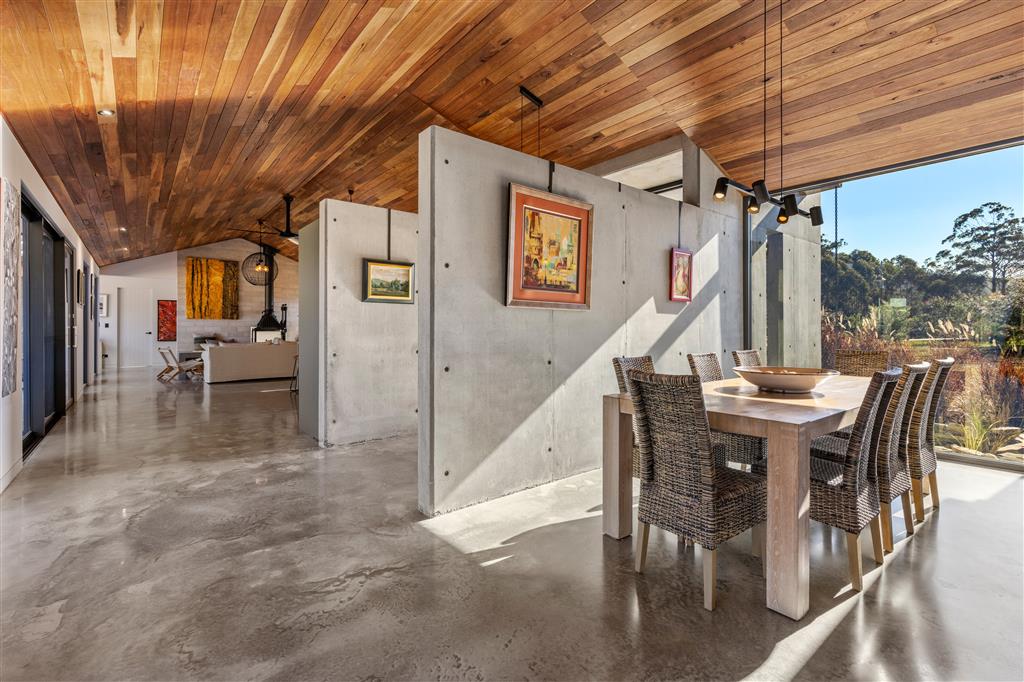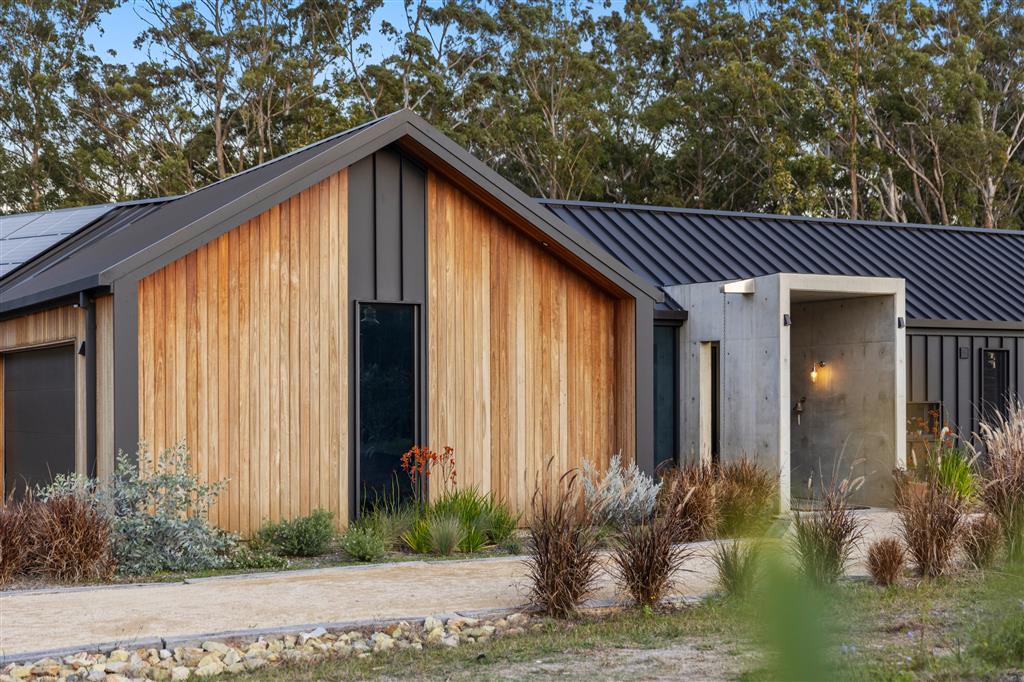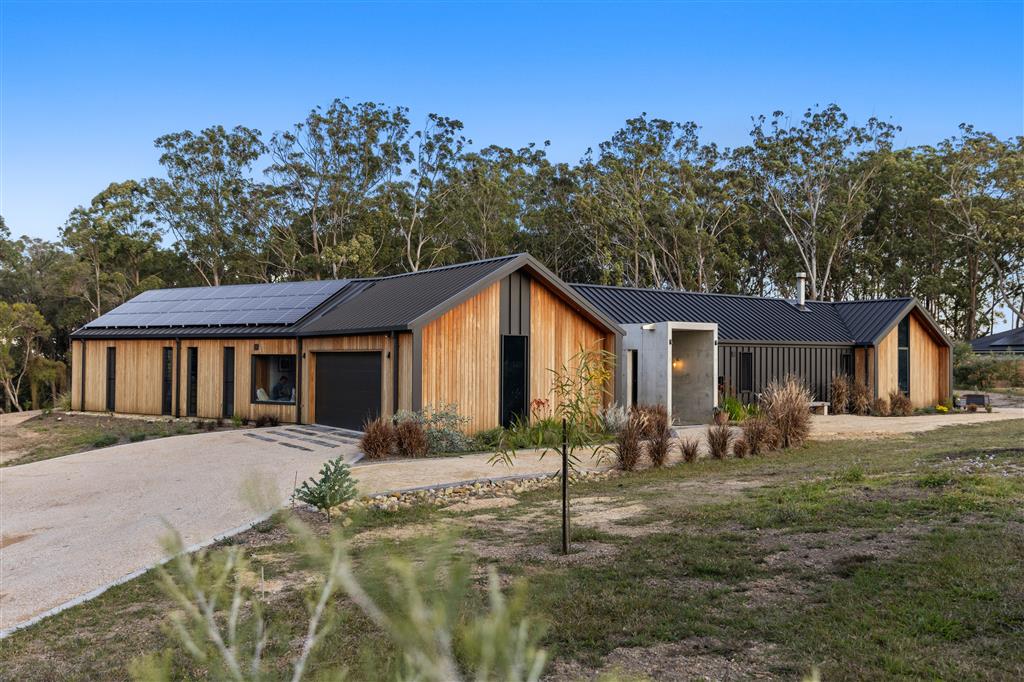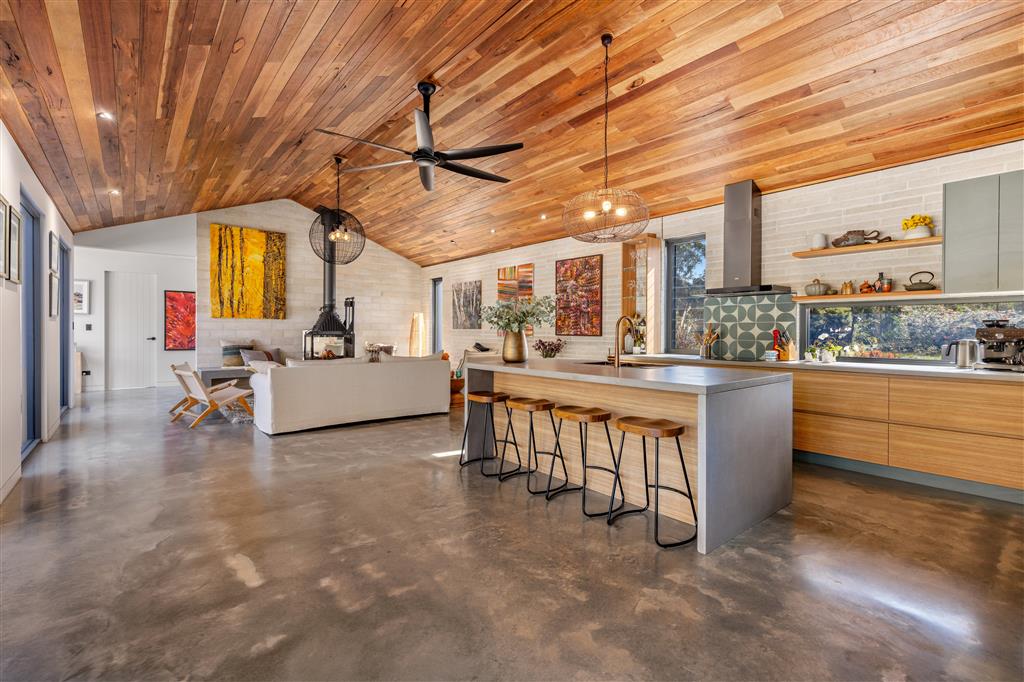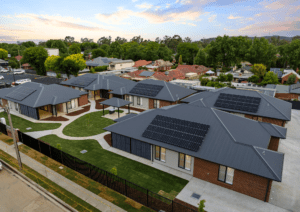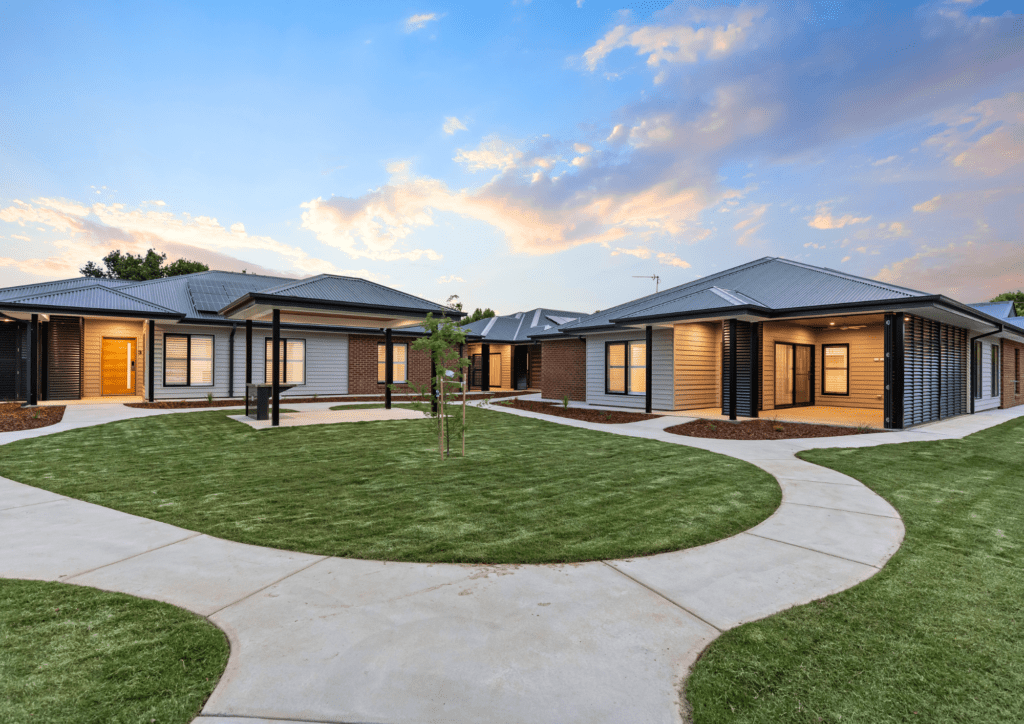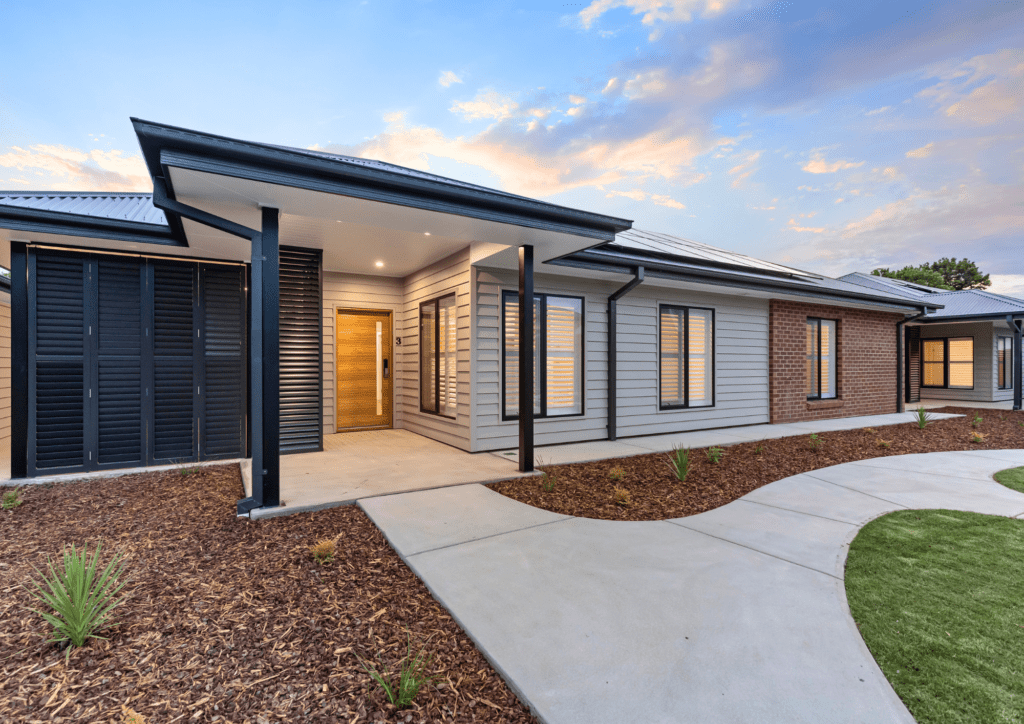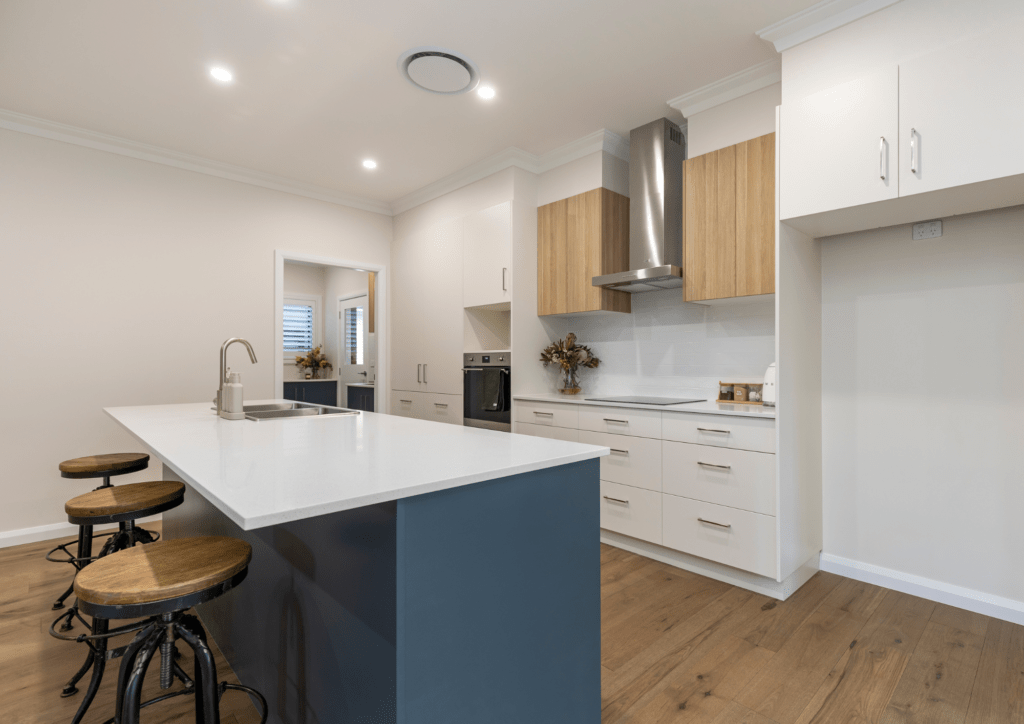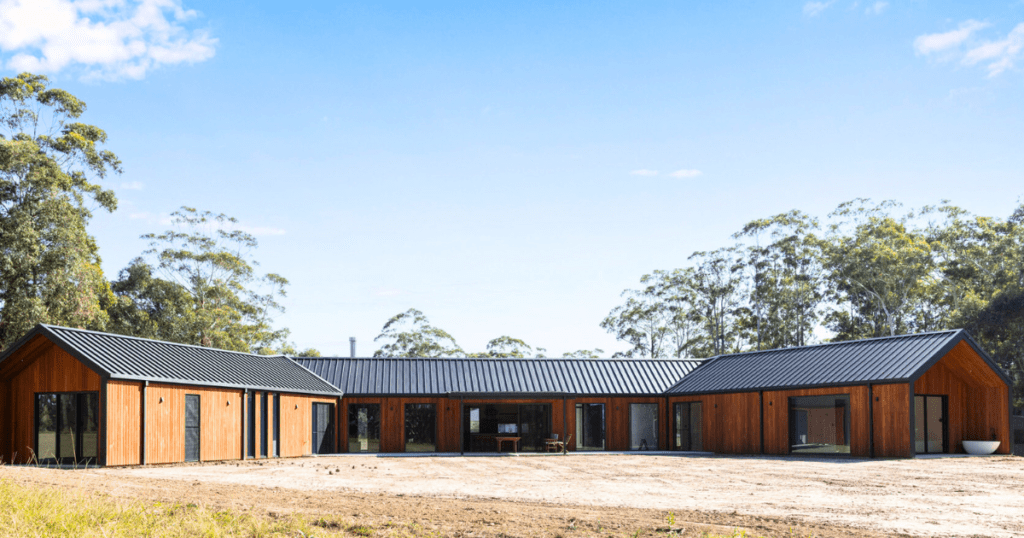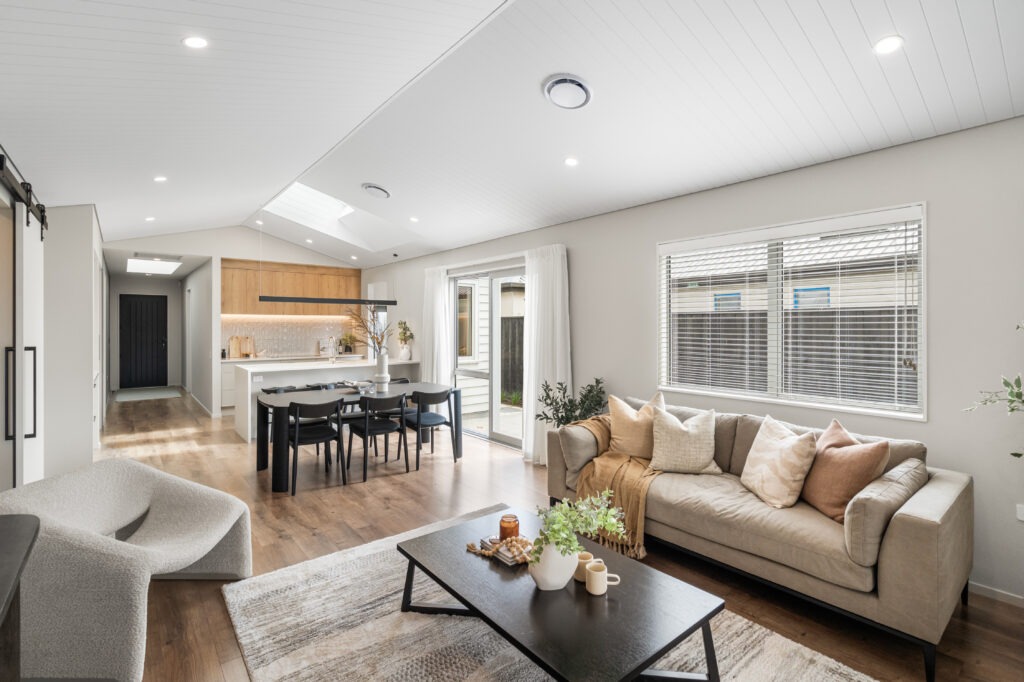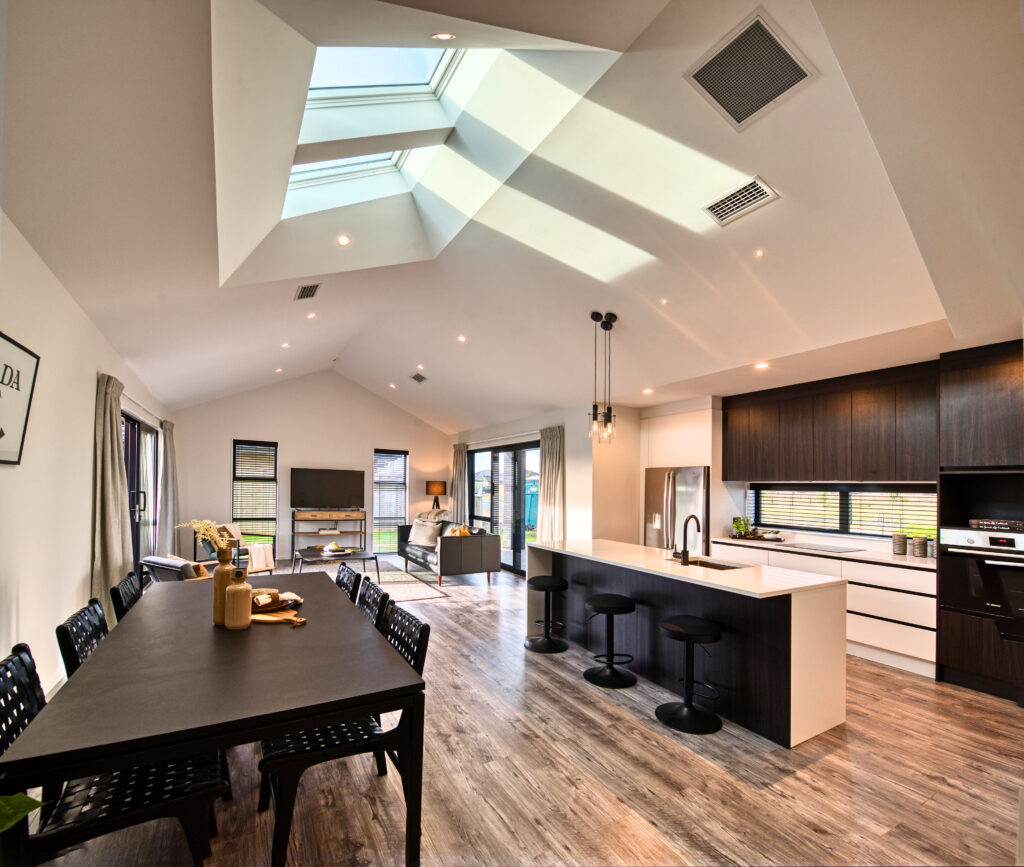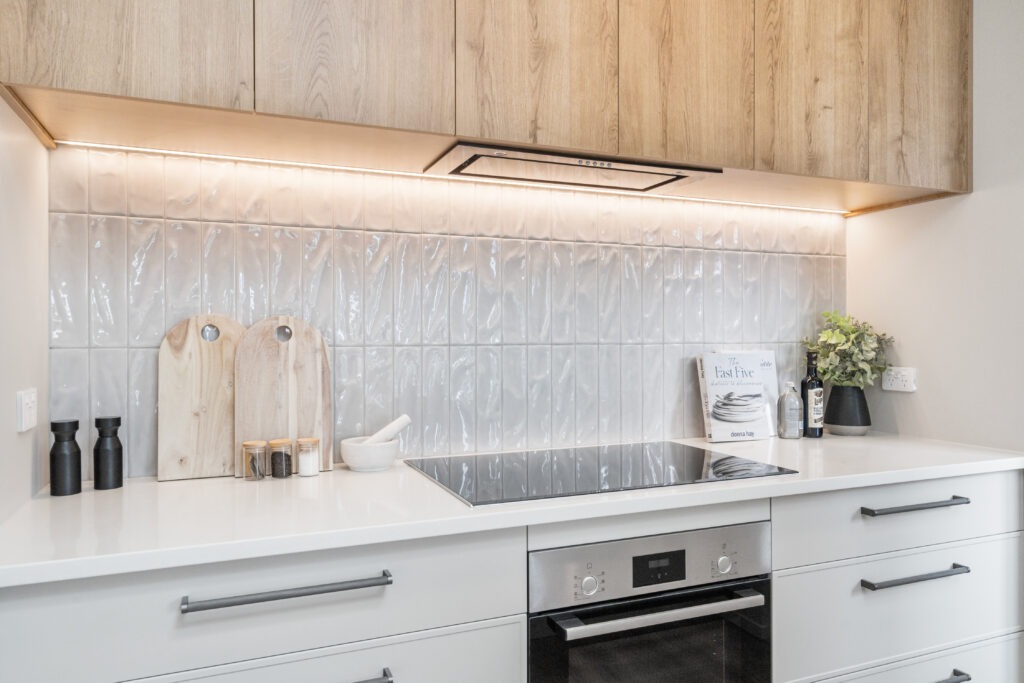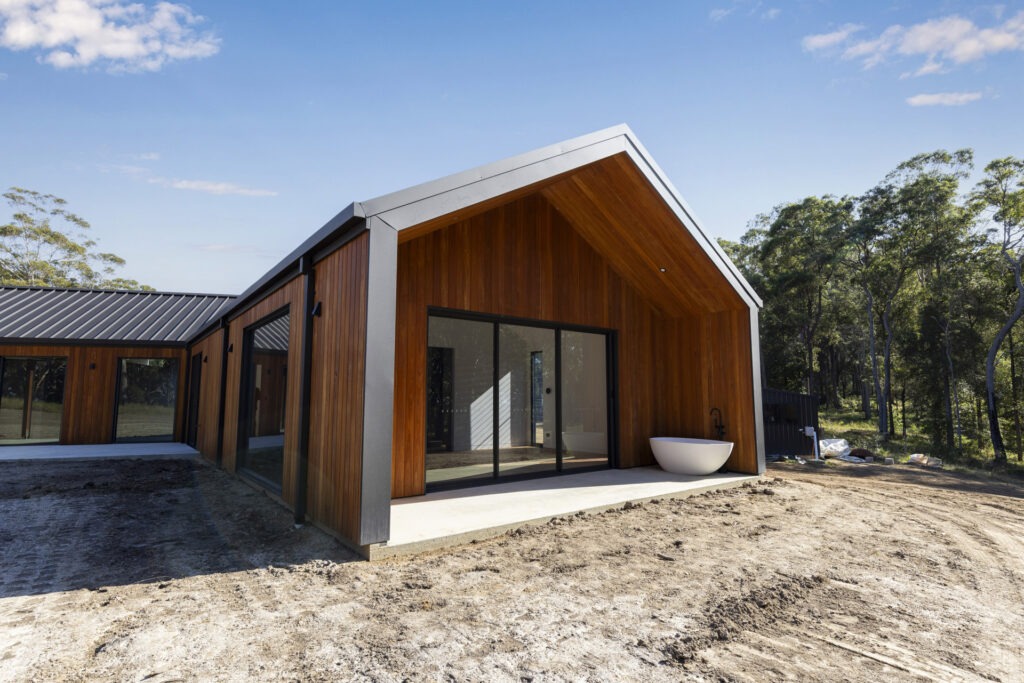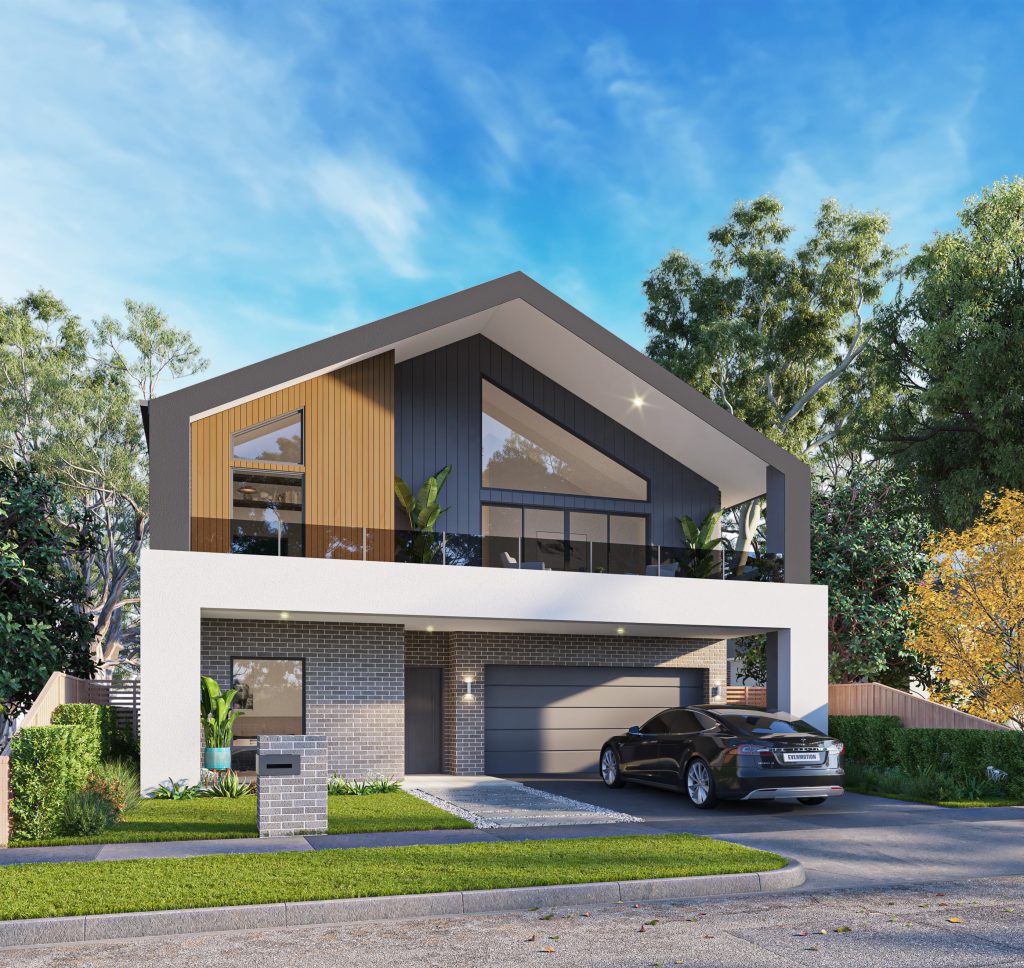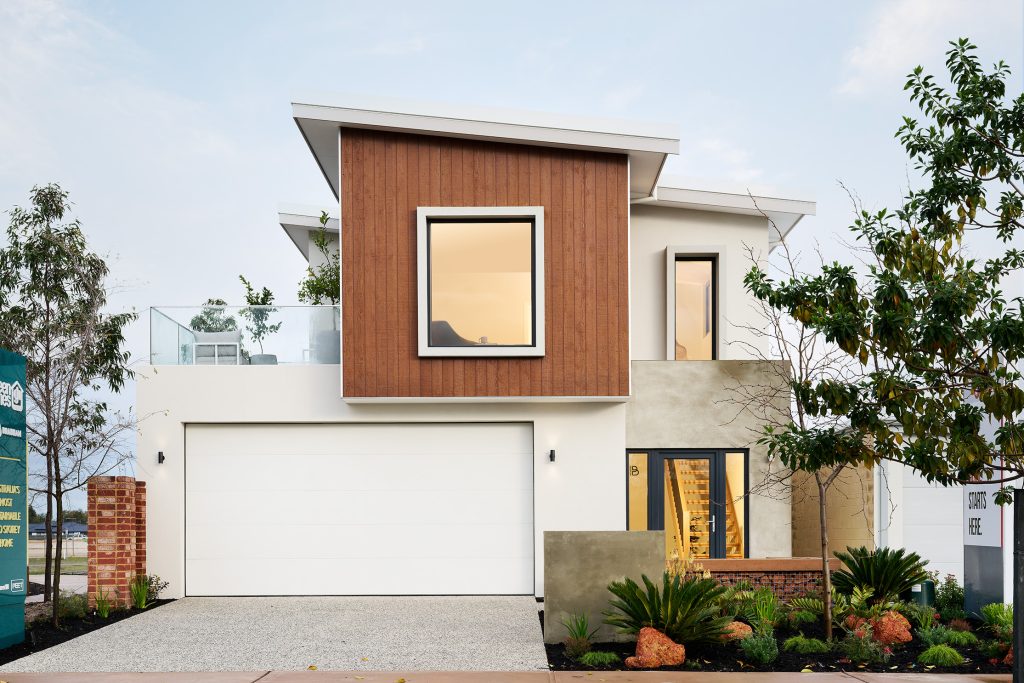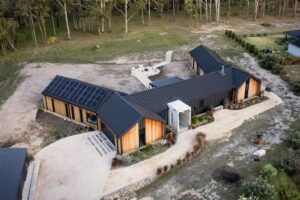
Building a home with near-zero energy bills is no longer a future concept—it is becoming a practical solution for Australian homeowners seeking lower living costs, greater energy independence, and improved comfort. By combining smart design, high-performance materials, and renewable energy systems, you can create a home that produces as much energy as it consumes over the course of a year.
What Is a Near-Zero Energy Home?
A near-zero energy home is designed to minimise energy consumption through efficient design and construction while generating renewable energy, typically through solar power. The goal is to reduce energy bills to a minimal level while maintaining year-round comfort.
These homes are built to use significantly less heating, cooling, and electricity than conventional homes.
Start with Passive Solar Design
The foundation of any near-zero energy home is passive solar design. This approach works with Australia’s climate to naturally regulate indoor temperatures.
Key design principles include:
- Positioning living areas to capture winter sunlight
- Using correctly sized eaves to block summer heat
- Maximising natural ventilation
- Optimising window placement and orientation
- Reducing unwanted heat gain and heat loss
A well-designed home can dramatically reduce the need for artificial heating and cooling.
Invest in High-Performance Insulation
Insulation is one of the most important factors in reducing energy use.
Consider:
- High-performance wall insulation
- Ceiling insulation with high R-values
- Insulated flooring where appropriate
- Thermal breaks in construction
- Draught sealing around doors and windows
Proper insulation helps maintain a stable indoor temperature throughout the year, reducing reliance on air conditioning and heating systems
Choose Energy-Efficient Windows
Windows can be a major source of energy loss if not selected carefully.
Look for:
- Double or triple glazing
- Low-E glass coatings
- Thermally efficient window frames
- Proper shading solutions
High-performance windows improve comfort while reducing heating and cooling costs.
Install an Energy-Efficient Heating and Cooling System
Even the best-designed home may require some mechanical heating and cooling.
Recommended options include:
- Reverse-cycle heat pumps
- High-efficiency air conditioning systems
- Ceiling fans
- Zoned climate control systems
These technologies use significantly less energy than traditional systems while providing superior comfort.
Generate Your Own Renewable Energy
Solar energy is essential for achieving near-zero energy bills.
A quality solar system can:
- Offset most household electricity consumption
- Reduce dependence on the grid
- Lower long-term energy costs
- Increase home value
The size of the system should be matched to your household’s energy needs and future lifestyle requirements.
Add Battery Storage
Battery systems allow homeowners to store excess solar energy generated during the day for use at night.
Benefits include:
- Greater energy independence
- Reduced grid electricity consumption
- Protection against rising energy prices
- Backup power capabilities during outages
Combining solar panels with battery storage can significantly reduce annual energy bills.
Select Energy-Efficient Appliances
Every appliance contributes to your home’s overall energy consumption.
Choose:
- High-star-rated appliances
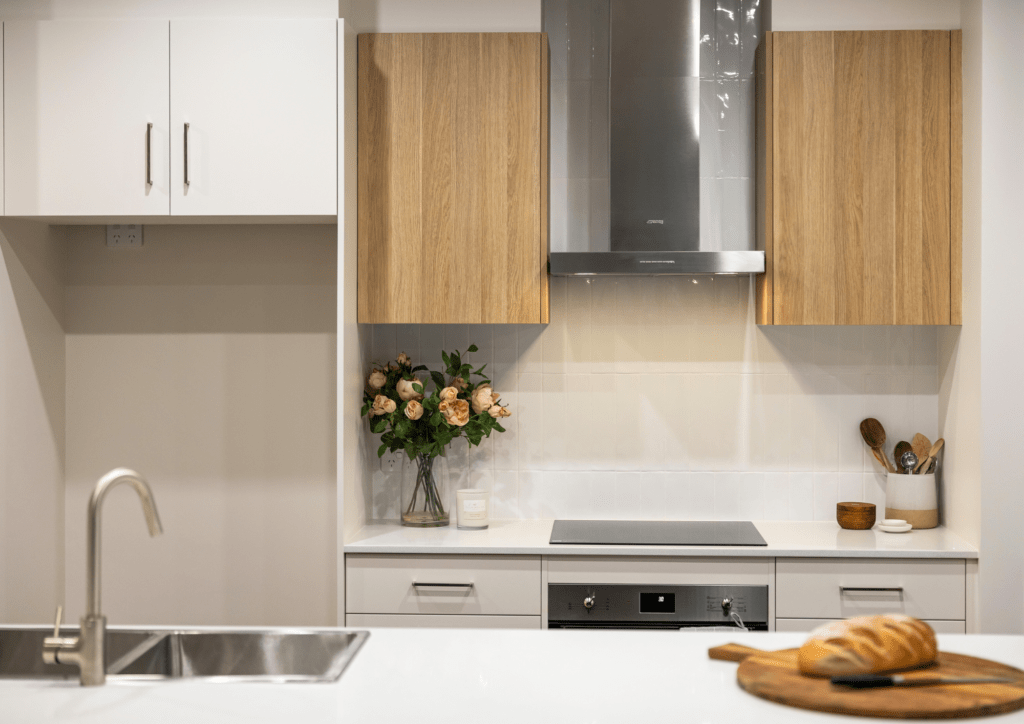
- Induction cooktops
- Heat pump hot water systems
- LED lighting throughout the home
- Smart energy management systems
Small efficiency gains across multiple appliances can have a substantial impact on annual energy costs.
Monitor and Manage Energy Usage
Modern smart home technology makes it easier than ever to track energy performance.
Useful features include:
- Real-time energy monitoring
- Smart thermostats
- Automated lighting controls
- Appliance scheduling
- Solar and battery performance tracking
Monitoring energy use helps homeowners identify opportunities to further reduce consumption.
Build Beyond Minimum Standards
While Australia’s National Construction Code sets minimum energy requirements, homeowners seeking near-zero energy bills should aim for higher performance standards.
Working with an experienced energy-efficient builder can help ensure your home exceeds standard requirements through better design, materials, and construction practices.
The Long-Term Benefits
A near-zero energy home offers more than lower utility bills. Homeowners can enjoy:
- Lower cost of living
- Increased comfort year-round
- Reduced carbon emissions
- Protection from future energy price increases
- Improved home value and market appeal
Conclusion
Building a home with near-zero energy bills starts with smart design and continues through every stage of construction. By combining passive solar principles, superior insulation, energy-efficient systems, solar power, and battery storage, homeowners can significantly reduce their energy costs while creating a more comfortable and sustainable future.
The result is a high-performance home that delivers long-term savings, energy independence, and exceptional living comfort for years to come.